drawn by hand
The Plants
Every herb we work with, where it comes from in the world, and what people have turned to it for. We draw each one ourselves.
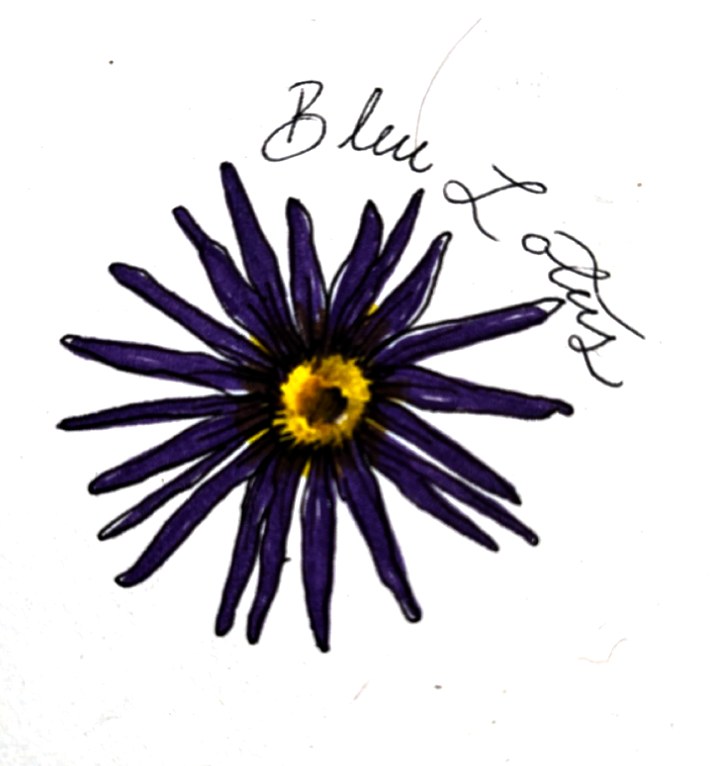
Blue Lotus
Nymphaea caerulea
A water lily of the Nile. It opens with the morning sun and closes by afternoon, so the ancient Egyptians tied it to the sun and to rebirth. It is painted across tomb walls and was found scattered over Tutankhamun's body.
The flowers were steeped in wine for feasts and ceremonies, and they are still taken as an evening tea or burned for dreaming and quiet.
[where ours comes from]
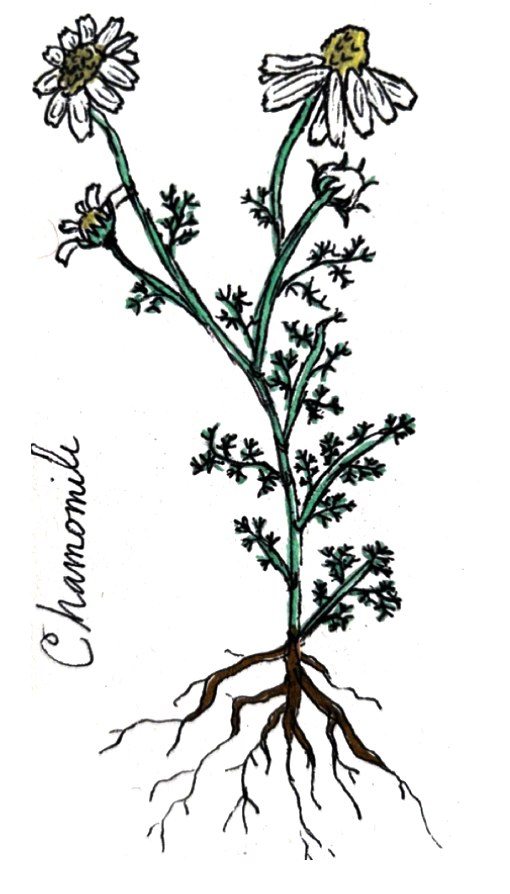
Chamomile
Matricaria chamomilla
The name comes from the Greek for "ground apple," after its scent. The Egyptians dedicated it to the sun, and the Anglo-Saxons counted it, as maythen, among the nine sacred herbs of the Nine Herbs Charm.
For centuries it has been the cup before bed: steeped for calm, for sleep and for a settled stomach, and scattered on floors and in baths for its sweet smell.
[where ours comes from]
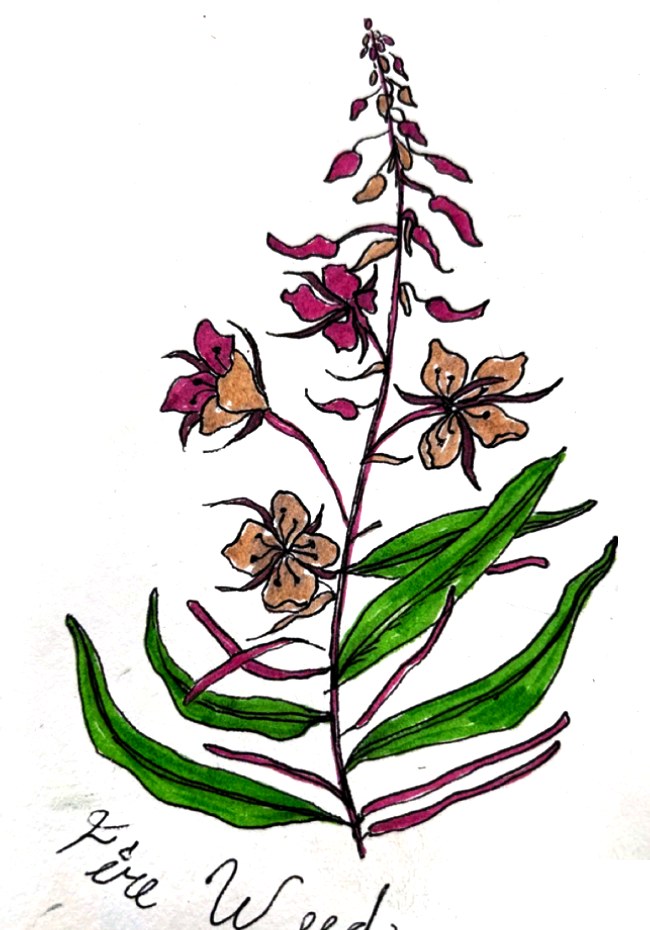
Fireweed
Chamaenerion angustifolium
The first color to come back after a wildfire, which is how it got its name. It covered the bombed lots of London after the Blitz, and in the mountains it marks where a burn once ran.
Peoples across the north have long eaten the spring shoots and spun the seed fluff into fiber. In Russia the leaves are fermented into a dark tea called Ivan chai, drunk for centuries before black tea arrived.
[where ours comes from]
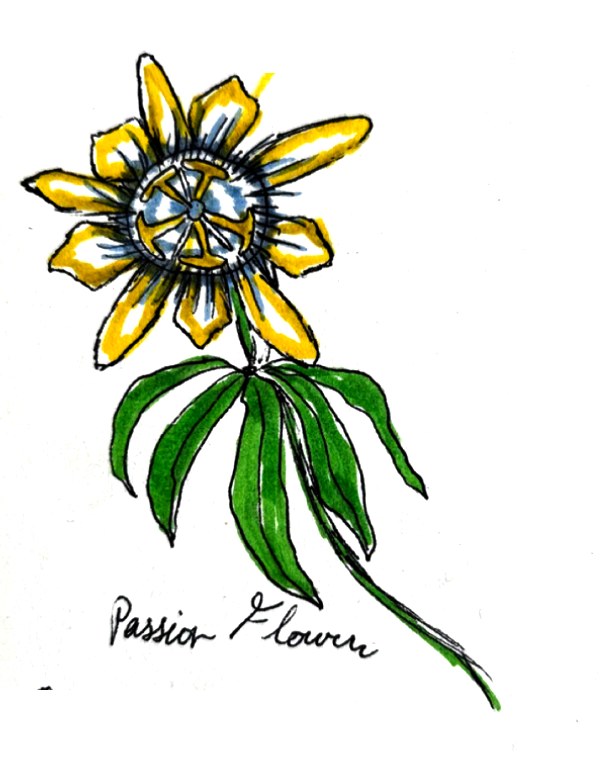
Passionflower
Passiflora incarnata
A vine of the American Southeast, where the Cherokee and other peoples ate its fruit, the maypop, and used the plant long before Europeans arrived. Spanish missionaries named it, reading the story of the Passion in the parts of its strange flower.
The leaves and flowers are traditionally taken as an evening tea, for rest and for a busy mind.
[where ours comes from]